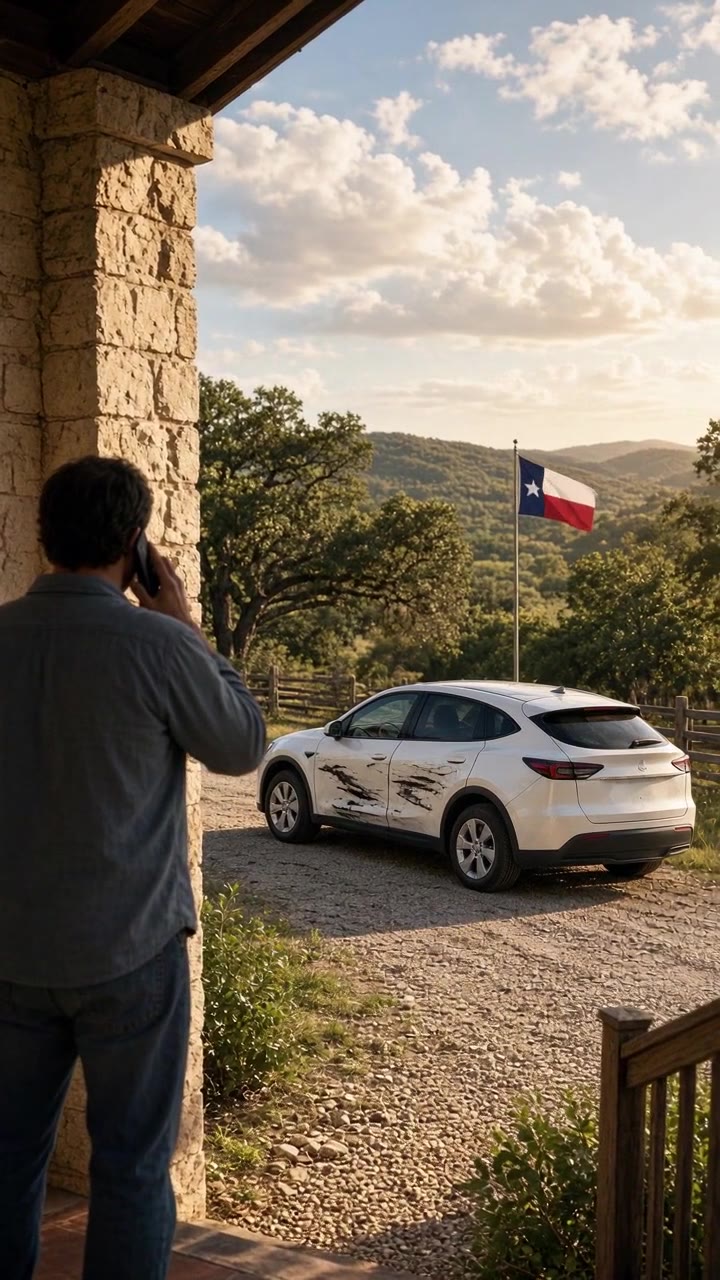
Working With a Body Shop That Works With Insurance in Austin
Dealing with insurance after a collision can be one of the most frustrating parts of the repair process. At Complete Collision & Auto Repair in South Austin, we work with your insurance company on your claim from start to finish. We manage the paperwork, communicate with adjusters, negotiate supplement approvals, and bill your insurer directly so you don't have to navigate the process alone.
We've been repairing vehicles in Austin for over two decades, and in that time we've processed thousands of insurance claims. We know how each carrier operates, what documentation they require, and how to advocate for you when they try to cut corners on repairs. Our goal is to restore your vehicle to pre-accident condition, not just get it "driveable," and we'll fight your insurance company to make sure that happens.
What to Do Immediately After an Accident
If you've been in a collision in Austin, here's what we recommend doing right away:
- Ensure everyone's safety and call 911 if there are injuries
- Exchange insurance and contact information with the other driver
- Take photos of all vehicle damage, the accident scene, and any road conditions that contributed
- File a police report, even if the damage seems minor
- Contact your insurance company to open a claim (you're usually required to report within 24-72 hours)
- Bring your vehicle to Complete Collision for a free damage assessment
Your Legal Right to Choose Your Body Shop That Works With Insurance in Austin
Here's something many Austin drivers don't know: under Texas law, you have the absolute right to choose which body shop repairs your vehicle. Your insurance company cannot require you to use their "preferred" or "recommended" shop. They may try to pressure you by saying the claim will be processed faster or that they can only guarantee work done at their network shops, but legally, the choice is yours.
We work with your insurance company on your claim, whether or not we're in their "network." That includes carriers such as State Farm, GEICO, Progressive, Allstate, USAA, Liberty Mutual, Farmers, and Nationwide. We bill them directly and handle all the back-and-forth so you don't have to.
Why you shouldn’t use the insurance company’s “preferred” shop
In Texas, you choose the shop that repairs your vehicle. An insurer may not require a third-party claimant to use a particular facility, and may not tell a policyholder that coverage depends on using a preferred-list shop. A direct repair program is a contract between the shop and the insurance company, not with you.
Video transcript
Your insurance company just recommended a body shop. Ask yourself one question: who does that shop work for?
It's called a DRP, a direct repair program. The shop has a contract with the insurance company, not with you.
That contract usually means discounted labor rates, cheaper parts, and pressure to get cars out fast.
The shop gets a steady stream of cars. The insurance company gets a cheaper repair. You get whatever's left.
In Texas, the choice of shop is yours. The insurer can't make you use theirs.
Pick a shop that answers to you. Complete Collision, South Austin.
What a direct repair program is
A direct repair program, or DRP, is an arrangement between a body shop and an insurance company. The shop has a contract with the insurance company, not with you. Insurers often call these shops “preferred,” “recommended,” or “in-network.”
That contract is how the shop gets a steady stream of referred claims. In general, these programs are built around discounted labor rates, cheaper parts, and pressure to get cars out fast. That is a description of how DRPs are typically structured. It is not a claim about any named carrier, and it is not a statement about every DRP shop.
The tradeoff is straightforward. The shop gets volume. The insurer gets a cheaper repair. You get whatever is left of that arrangement.
Complete Collision works with your insurance company on your claim, whether or not we’re in their “network.” We are an independent shop. We bill the insurer directly and handle the back-and-forth so you don’t have to. Listing a carrier on this page means we work with its adjusters. It does not mean we are part of that insurer’s direct repair program.
Your right to choose a shop in Texas
In Texas, the choice of shop is yours. The insurer can’t require you to use its shop.
On a third-party property-damage liability claim, when you are claiming against the other driver’s insurer, Texas Insurance Code § 1952.301(b) says an insurer may not require the claimant to have repairs made by a particular repair person or facility.
If you are a beneficiary under a Texas auto policy, § 1952.301(a)(2) says an insurer may not “directly or indirectly limit” coverage by “limiting the beneficiary of the policy from selecting a repair person or facility.”
And § 1952.302(2) says an insurer, employee, agent, or adjuster may not state or suggest, orally or in writing, that a beneficiary must use a specific shop, or a shop on a preferred list, for the damage repair or parts replacement to be covered by the policy.
Texas also requires a verbal notice that includes this language: “BY LAW, YOU HAVE THE RIGHT TO SELECT WHERE YOUR MOTOR VEHICLE IS REPAIRED AND THE PARTS USED FOR REPAIRS. HOWEVER, AN INSURANCE COMPANY IS NOT REQUIRED TO PAY MORE THAN A REASONABLE AMOUNT FOR SUCH REPAIRS AND PARTS.” That notice comes from 28 TAC § 5.501(i). The choice of shop is yours. The insurer still is not required to pay more than a reasonable amount for the repairs and parts.
The Texas Department of Insurance has also reminded carriers that implying a claimant may have to pay more if they leave the preferred list can conflict with the Insurance Code and 28 TAC § 5.501 (Commissioner’s Bulletin B-0031-10).
None of this is a guarantee that the insurer will pay any shop’s full invoice. Coverage, liability, policy limits, and the “reasonable amount” standard still apply.
What to say
If an adjuster or claims representative recommends a preferred shop, you can say: “I’ve chosen my shop. Please send your estimate there.”
Then take the car to a shop that answers to you. Complete Collision is in South Austin, at 12110 Menchaca Rd #300. We handle the paperwork, talk with the adjuster, and bill the insurer directly. Free loaner vehicles are available while your car is here.
Request a free estimate or call (512) 280-8008. For the repair itself, see our collision repair in Austin page, or contact the shop.
Jump to “We can’t guarantee the work if you go there”. Also see the insurance estimate is an opening offer and what parts are going on your car.
FAQ
What is a direct repair program (DRP)?
A DRP, or direct repair program, is an arrangement in which a shop has a contract with an insurer, often to handle a stream of referred claims. The contract is with the insurance company, not with you. You may still choose a shop that answers to you.
Do I have to use the insurer’s preferred shop in Texas?
No. Texas Insurance Code § 1952.301(b) says that in settling a third-party property-damage liability claim, an insurer may not require the claimant to have repairs made by a particular repair person or facility. Section 1952.301(a)(2) also says an insurer may not limit a policy beneficiary from selecting the repair facility. The insurer is not required to pay more than a reasonable amount for the repairs and parts (28 TAC § 5.501).
Can the insurer make coverage depend on using their list?
Texas Insurance Code § 1952.302(2) says an insurer, employee, agent, or adjuster may not state or suggest to a beneficiary, orally or in writing, that the beneficiary must use a specific shop or a preferred-list shop for the repair or parts replacement to be covered by the policy.
What should I say when they recommend a shop?
You can say: “I’ve chosen my shop. Please send your estimate there.” Then send the vehicle to the shop you chose. Complete Collision will work with the insurer on the claim, whether or not we are in their “network.”
Disclaimer: This page is general information about Texas law from the cited statutes, rules, and bulletins. It is not legal advice. Talk with a licensed Texas attorney about your facts. An insurer’s duty to pay is still limited by coverage, liability, policy limits, and the facts of the claim.
When the insurer says they “can’t guarantee the work”
In Texas, the choice of shop is yours. An insurer may not require a particular shop, or suggest that coverage depends on using a preferred list. Pressure about guarantees, delays, paying out of pocket, or “not in network” does not take that right away. Tell them: “I’ve chosen my shop. Please send your estimate there.”
Video transcript
If an adjuster ever tells you, “We can’t guarantee the repairs at that shop,” here’s what that means.
Nothing. Insurance companies don’t repair cars. The shop guarantees the work, and a good shop puts it in writing.
It’s called steering. The goal is to scare you into a shop that has a pricing deal with them.
Other versions: “It’ll take longer there.” “You may have to pay out of pocket.” “They’re not in our network.”
In Texas, the choice of shop is yours. Say this: “I’ve chosen my shop. Please send your estimate there.”
A carrier’s network guarantee is not the same thing as your shop’s own warranty. Insurance companies don’t repair cars. Complete Collision already states a lifetime warranty on our repair work. Ask us for that warranty in writing.
The pressure lines, and what the law actually says
The video calls this steering. That is our description of the practice, not a term defined in the Texas Insurance Code, and this page does not cite it as one.
The rules that actually apply are these:
On a third-party property-damage claim, Texas Insurance Code § 1952.301(b) says an insurer may not require the claimant to have repairs made by a particular repair person or facility. Section 1952.302(2) says an insurer, employee, agent, or adjuster may not state or suggest, orally or in writing, that a beneficiary must use a specific shop, or a preferred-list shop, for the repair or parts replacement to be covered by the policy. Lines about “they’re not in our network,” or that coverage depends on using the insurer’s shop, belong with that statute.
28 TAC § 5.501(i) requires notice that includes: “BY LAW, YOU HAVE THE RIGHT TO SELECT WHERE YOUR MOTOR VEHICLE IS REPAIRED AND THE PARTS USED FOR REPAIRS. HOWEVER, AN INSURANCE COMPANY IS NOT REQUIRED TO PAY MORE THAN A REASONABLE AMOUNT FOR SUCH REPAIRS AND PARTS.” The choice of shop is yours. The insurer still is not required to pay more than a reasonable amount.
If the line is “you may have to pay out of pocket” for leaving the preferred list, TDI Commissioner’s Bulletin B-0031-10 warns that implying a claimant may have to pay more if they leave the preferred list can conflict with the Insurance Code and 28 TAC § 5.501. That is not a promise that every added cost is paid in full. The “reasonable amount” cap still applies.
The exact phrase “we can’t guarantee the work” does not appear in the statute. It is not, by itself, a statutory violation in those words. A network guarantee is the carrier’s program warranty, not a rule that you must change shops.
A comment that “it’ll take longer there” may be true as a scheduling fact. That is not a legal order to change shops, and this page does not treat every delay comment as illegal.
For the underlying shop-choice rule, see why you shouldn’t use the insurer’s preferred shop on this same page.
The sentence to say
If an adjuster pushes back after you name your shop, say: “I’ve chosen my shop. Please send your estimate there.”
Then send the car to Complete Collision at 12110 Menchaca Rd #300 in South Austin. We work with the insurer on the claim, whether or not we’re in their “network.” Request a free estimate or call (512) 280-8008. See also collision repair in Austin.
FAQ
Can the insurer refuse to guarantee work at the shop I chose?
No, you do not have to switch shops for that reason. Texas Insurance Code § 1952.301 says an insurer may not require a third-party claimant to use a particular repair facility, and may not limit a policy beneficiary from selecting one. A carrier’s network guarantee is about work done in its program. It is not a rule that you must change shops. Ask your shop for its own warranty in writing. Complete Collision states a lifetime warranty on our repair work.
Can they say it will take longer, I’ll pay out of pocket, or the shop is “not in network”?
Being “out of network” does not take away the statutory right to choose the shop. TDI Bulletin B-0031-10 warns that implying a claimant may have to pay certain repair costs for leaving a preferred list can conflict with Texas Insurance Code Chapter 1952 and 28 TAC § 5.501. The insurer is still not required to pay more than a reasonable amount for the repairs and parts. A comment that the repair may take longer can be a scheduling fact; it is not a legal order to change shops.
What exactly should I tell them?
“I’ve chosen my shop. Please send your estimate there.”
Disclaimer: This page is general information about Texas law from the cited statutes, rules, and bulletins. It is not legal advice. Talk with a licensed Texas attorney about your facts. An insurer’s duty to pay is still limited by coverage, liability, policy limits, and the facts of the claim.
How the Insurance Claims Process Works
Once you bring your vehicle to us and open a claim with your insurance company, here's what happens:
- We perform a detailed inspection and document all visible and hidden damage
- We write a complete repair estimate using industry-standard estimating software
- Your insurance company assigns an adjuster who will either visit our shop or review our photos and estimate remotely
- The adjuster writes their own estimate (which is often lower than ours because they can't see hidden damage yet)
- We begin disassembly and teardown to reveal concealed damage like frame issues, suspension damage, or electrical problems
- We write a supplement (an additional estimate for the newly discovered damage) and submit it to the adjuster
- The adjuster approves the supplement, and we continue repairs
- We complete all collision repair work, paint, and final quality checks
- Your vehicle is returned to you, and we bill your insurance company directly
Repair time depends on the damage and parts availability. We'll give you an estimate after inspection.
The insurance estimate is an opening offer
The adjuster’s first estimate is not the repair cost. It is often a first look written from the outside. Hidden damage is documented later in a supplement, after the car is taken apart. A shop should write the repair to what the vehicle needs, then bill the insurer, rather than stopping at the first insurance number.
Video transcript
The adjuster looked at your car for ten minutes and wrote an estimate. That number is not the repair cost.
It’s a first guess written from the outside. Nobody knows the real damage until the car is taken apart.
Hidden damage gets added through a supplement. That’s normal. Almost every real repair has one.
The danger is a shop that repairs to the insurance number instead of repairing what the car needs.
We write the repair to manufacturer procedures, then make the insurer pay for it. That’s the difference.
Why the first number is often low
The first insurance estimate is often written from the outside, or from photos, before the vehicle is taken apart. It is a starting number for the claim, not a complete account of the damage. The video’s “ten minutes” is an illustration, not a timed claim about every adjuster.
That is already how this page describes the process:
- We inspect the vehicle and document visible and hidden damage, then write a complete repair estimate.
- The insurer’s adjuster visits the shop or reviews photos and the estimate remotely, and writes their own estimate, which is often lower, because hidden damage is not visible yet.
- We begin disassembly and teardown, write a supplement for newly found damage, and submit it to the adjuster.
- We complete the repair and bill the insurance company directly.
What a supplement is
A supplement is an additional estimate for damage that was not visible until the car was disassembled, for example structural, mechanical, or hidden panel damage. The shop documents it and submits it to the insurer.
This is a normal part of collision repair, not a sign that the shop is padding the bill. Supplements are common once the car is taken apart. The spoken video says “almost every real repair has one.” That line stays in the transcript; this page does not treat it as a statistic.
The insurer still reviews what is reasonable and what the policy covers. 28 TAC § 5.501 says the insurer is not required to pay more than a reasonable amount. A supplement is not a promise that every added line will be paid in full.
Repair what the car needs
The risk is a shop that repairs to the first insurance number instead of repairing what the car needs. That first number may not include damage found at teardown. Stopping there can leave needed work undone.
The better sequence is to write the repair to the manufacturer procedures the vehicle needs, document any supplement, and bill the insurer. Complete Collision negotiates supplement approvals and bills the insurer directly. “Make the insurer pay for it” in the video means we advocate for that work on the claim. It is not a guarantee that every supplement is approved.
Shop choice still matters here. In Texas, the choice of shop is yours, and the insurer can’t require its shop (Tex. Ins. Code §§ 1952.301–1952.302; 28 TAC § 5.501). See why you shouldn’t use the insurer’s preferred shop. The parts on the estimate matter too; see what parts are going on your car. For the repair itself, see collision repair in Austin.
Request a free estimate or call (512) 280-8008. We’re at 12110 Menchaca Rd #300 in South Austin. Free loaner vehicles are available.
FAQ
Is the insurance company’s estimate the cost of the repair?
No. The first estimate is often written from the outside, or from photos, before the vehicle is taken apart. It is a starting number for the claim, not a complete account of the damage.
What is a supplement on a body shop insurance claim?
A supplement is an additional estimate for damage that was not visible until the car was disassembled, for example structural, mechanical, or hidden panel damage. The shop documents it and submits it to the insurer. This is a normal part of collision repair. The insurer still reviews what is reasonable and what the policy covers.
Why is the shop estimate often higher?
Because the shop’s estimate, and later the supplement, can include damage that was not visible until teardown. The adjuster’s first number is often written from the outside, before that work is done.
What is the danger of a shop that repairs only to the insurer’s number?
The first insurance number may not include damage found at teardown. A shop that stops at that number can leave needed work undone. The better sequence is to write the repair to the procedures the vehicle needs, document any supplement, and bill the insurer. That is how Complete Collision describes the process on this insurance-claims page.
Disclaimer: This page is general information about the claims process and the cited Texas rules. It is not legal advice. Talk with a licensed Texas attorney about your facts. No prices, labor rates, or repair times are stated here.
Dealing With Insurance Adjusters
Insurance adjusters are trained to minimize claim payouts. Their job is to get your vehicle repaired as cheaply as possible, which often means pressure to use aftermarket parts, skip necessary procedures, or settle for visual repairs that don't fully restore structural integrity. We push back on behalf of our customers.
If an adjuster tries to deny a necessary repair or insists on using low-quality aftermarket parts when OEM parts are warranted, we'll document why the repair is needed and negotiate directly with them. In most cases, we're able to get approval. If not, we'll explain your options and help you escalate the issue within the insurance company.
OEM Parts vs. Aftermarket: Know Your Rights
Many insurance companies will try to save money by specifying aftermarket (non-OEM) parts for your repair. Aftermarket parts are manufactured by third-party companies, not the original vehicle manufacturer, and quality can vary significantly. Some aftermarket parts fit poorly, rust prematurely, or don't meet crash safety standards.
Under Texas law, you have the right to request OEM (Original Equipment Manufacturer) parts for your repair. If you want OEM parts and your insurance company refuses to pay for them, you can pay the difference out of pocket. We'll help you understand the cost difference and make an informed decision.
See what parts are going on your car for the A/M, LKQ, and Recon codes on a Texas estimate.
What If My Insurance Company Totals My Car?
If your vehicle's repair cost exceeds a certain percentage of its pre-accident value (usually 70-100% depending on the insurer), the insurance company will declare it a total loss and offer you a settlement instead of paying for repairs. If you disagree with their valuation, you have the right to challenge it by providing comparable vehicle listings and market data.
We can help you understand whether the total loss determination is fair, and in some cases, we can provide documentation that supports a higher valuation if we believe the adjuster undervalued your vehicle.
Insurance Companies We Work With
We work with your insurance company on your claim, including carriers such as:
- State Farm
- GEICO
- Progressive
- Allstate
- USAA
- Liberty Mutual
- Farmers
- Nationwide
- Travelers
- American Family
- AAA
- Erie Insurance
- The Hartford
- Auto-Owners Insurance
If your insurer isn't listed, call us at (512) 280-8008 and we will talk through your claim.
Complete Collision is an independent body shop. Listing an insurer here means we work with its adjusters on your claim; it does not mean we are part of that insurer's direct repair program. Whoever your insurer is, Texas law lets you choose where your car is repaired.
Why Choose Complete Collision for Insurance Claims
- We handle all insurance paperwork and adjuster communication
- Direct billing with your insurance company
- We advocate for proper repairs, not shortcuts
- Transparent process: we explain every step
- OEM or quality replacement parts, depending on availability
- Free loaner vehicles available
- Lifetime warranty on all collision repairs
Ready to start your claim? Request a free estimate online or call us at (512) 280-8008. We're located at 12110 Menchaca Rd in South Austin.